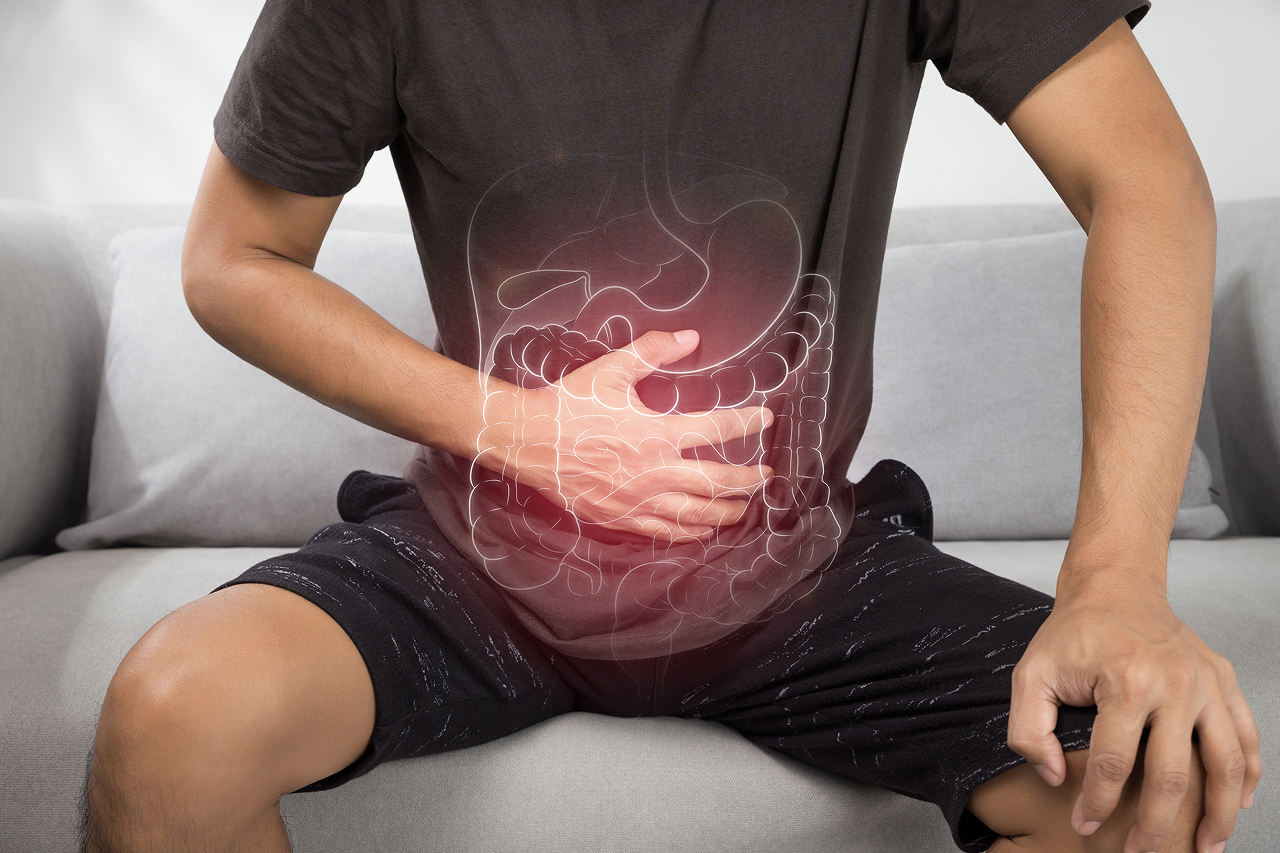

IBS is a condition that affects nearly 10%-15% of the population, with many people ending up finding the right IBS foods to eat and avoid. The best diet generally includes low FODMAP food, like potatoes, oats, carrots, and options with soluble fibre. Meanwhile, foods to avoid for IBS are heavy dairy and fried meals, which help reduce stomach cramps, bloating, and unpredictable bowel habits.
Maintaining proper hydration is also vital, and limiting the consumption of alcohol and artificial sweeteners is also important. Choose gentle, easy-to-digest meals while cutting out items that ferment and cause painful gas. Understand what food actually triggers your symptoms and what soothes them. Once you understand how the food behaves inside your intestine, it can save a lot of trouble.
What is Irritable Bowel Syndrome and How is it Triggered?
Before changing your diet, it helps to understand why certain meals cause so much pain. Irritable bowel syndrome is a common, long-term digestive disorder that causes the bowel muscles to spasm unpredictably. While the symptoms can feel life-altering, many patients often wonder, Is IBS dangerous? Fortunately, while it causes significant discomfort and disruption, it does not lead to permanent organ damage or more serious conditions like cancer. Understanding that food plays a massive role in your daily comfort is the first step to feeling better.
Food does not actually cause the underlying disease, but eating the wrong meals triggers sudden, painful flare-ups.
- When you eat complex carbohydrates that your stomach struggles to break down, natural bacteria ferment them rapidly.
- The fermentation process creates trapped wind, draws excess water into the bowel, and stretches the sensitive gut walls, leading to severe discomfort.
- Finding the best foods IBS patients can tolerate is the most effective way to manage these daily symptoms.
Quick Summary: IBS Foods to Eat and Avoid
| Category | ✅ Safe to Eat | ❌ Avoid |
|---|---|---|
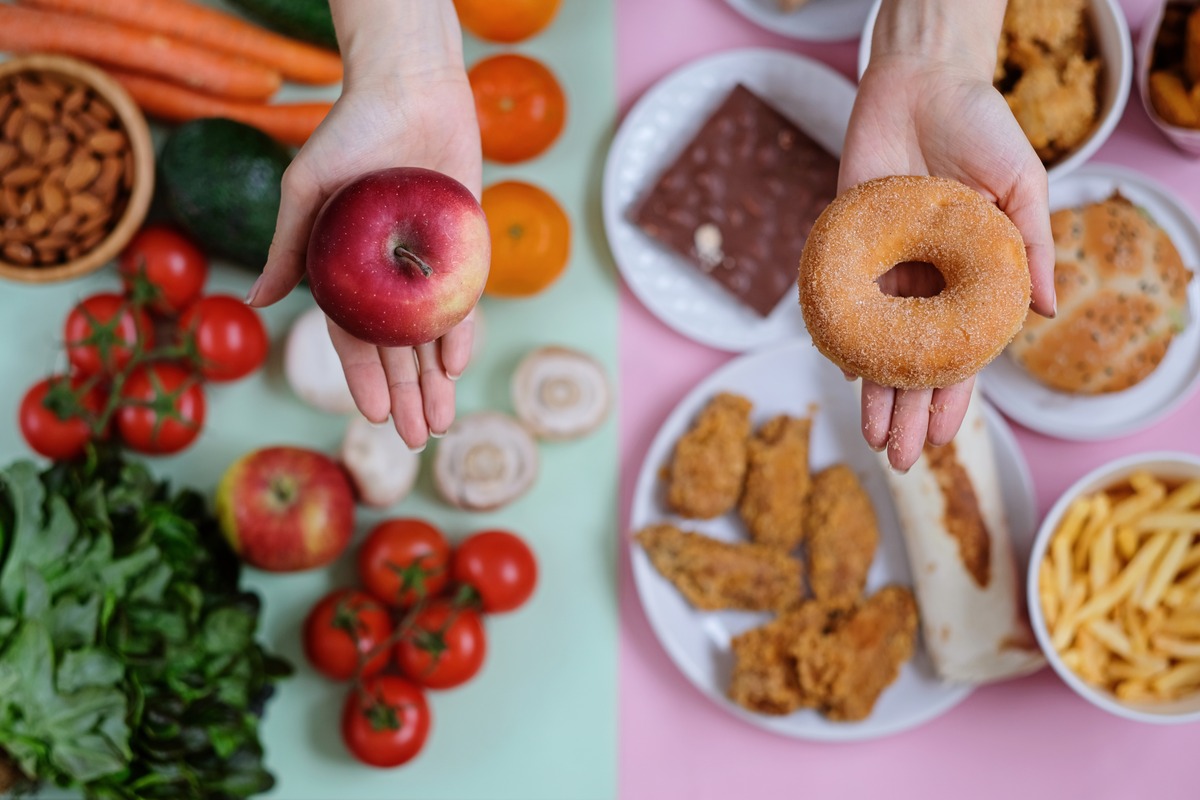
| Proteins | Skinless Chicken, Lean Turkey, Fresh Fish (Salmon/Mackerel), Eggs, Firm Tofu, Tempeh | Fatty/Heavy Meats, Deep-Fried/Greasy Meals, Thick Creamy Gravies |
| Vegetables | Peeled White/Sweet Potatoes, Carrots, Spinach, Kale, Courgettes, Aubergines, Green Beans, Cucumber | Onions, Garlic, Cauliflower, Broccoli (use onion-infused oil instead) |
| Fruits | Blueberries, Strawberries, Kiwi Fruit (2 a day), Oranges, Lemons, Limes, Unripe (Green) Bananas | Apples, Pears, Mangoes, Watermelon |
| Grains & Fibre | Gluten-Free Oats (Porridge), Linseeds (Flaxseeds), Quinoa | Wheat, Barley, Rye (Standard Bread and Pasta) |
| Dairy | Lactose-Free Alternatives | Cow’s Milk, Heavy Dairy |
| Legumes | — | Baked Beans, Pulses (Galactans), Lentils |
| Drinks | Plain Water, Peppermint Tea, Ginger Tea | Strong Coffee, Energy Drinks (Caffeine), Alcohol |
| Sweeteners | — | Sorbitol, Mannitol, Xylitol (found in Sugar-Free Gums/Diet Foods) |
The Ten Worst Foods for IBS You Should Avoid
Understanding foods not to eat with IBS is crucial for stopping sudden pain in your stomach. It is strictly advisable for patients to limit these everyday items for better gut health.
1. Cow's Milk and Heavy Dairy
Dairy is frequently listed among the absolute worst triggers because many people naturally lack the specific enzyme required to break down lactose. When lactose is poorly digested, it ferments rapidly in the colon. This causes severe gas, a swollen stomach, and highly urgent, watery stools.
2. Deep-Fried and Greasy Foods
High-fat foods are incredibly heavy and notoriously hard for the human digestive system to process efficiently. Deep-fried meals, thick creamy gravies, and greasy fast food force the gut to work much harder than normal. This stressful, rapid digestion frequently triggers urgent, painful diarrhoea shortly after eating.
3. Baked Beans and Pulses
While beans are generally considered very healthy, they contain complex, tough sugars called galactans that human bodies simply cannot fully digest. As these tough sugars sit in the gut, natural bacteria ferment them aggressively. This process creates massive amounts of painful trapped wind, making them top foods to avoid for IBS.
4. Lentils
Similar to baked beans, lentils are highly fermentable legumes. They draw excess water into the bowel and produce significant amounts of carbon dioxide and hydrogen gas during digestion. If you regularly suffer from a tight, swollen stomach, cutting out lentils provides massive relief.
5. Onions
Onions add lovely flavour to meals, but they are highly reactive, severe triggers for sensitive stomachs. They contain concentrated fructans that rapidly cause the bowel to swell with gas. Using an onion-infused olive oil is a much safer alternative to get the flavour without the actual physical pain.
6. Garlic

Prioritise Your Health With Consultant-Led Care!
- Immediate private consultations with UK specialists.
- Accurate diagnosis & clear answers.
- Professional medical plan to move forward.
Just like onions, raw and cooked garlic is incredibly difficult for the intestines to break down properly. It is one of the most common culprits behind sharp stomach cramps and severe bloating after a rich restaurant meal.
7. Cauliflower and Broccoli
Cruciferous vegetables are notoriously difficult to digest. Cauliflower and broccoli contain specific complex carbohydrates that produce excess gas when broken down by gut bacteria. This frequently causes severe bloating and intense abdominal discomfort, even in people without a diagnosed digestive condition.
8. Sugar-Free Sweeteners
Many processed diet foods and sugar-free chewing gums contain artificial sweeteners, such as sorbitol, mannitol, and xylitol. These specific sweeteners act as powerful chemical laxatives inside the body. They pull excess water into the bowel, instantly triggering sudden and explosive diarrhoea.
9. Caffeinated Drinks
Mostly present in strong coffee and energy drinks, caffeine stimulates and spasms the bowel muscles. For individuals with a highly sensitive gut, a single cup of coffee can lead to immediate, urgent toilet trips and sharp, twisting stomach cramps.
10. High-Fructose Fruits
While some fruits are safe, high-fructose fruits like apples, pears, mangoes, and watermelon are severe triggers. Fructose is a sugar that many sensitive guts struggle to absorb. When it travels undigested into the colon, it ferments rapidly and causes intense, painful bloating.
What Are the Best Foods to Eat in IBS?
Knowing exactly what foods to eat in IBS can make mealtimes more enjoyable and less stressful. It will help nourish the body while remaining incredibly gentle on a sensitive digestive tract. Here are the best foods IBS patients can choose:
1. Soluble Fibre Sources
Soluble fibre is highly soothing because it dissolves in water to create a gentle gel that regulates your digestion. It is a food good for IBS because it effectively relieves both watery diarrhoea and stubborn constipation. Experts recommend eating:
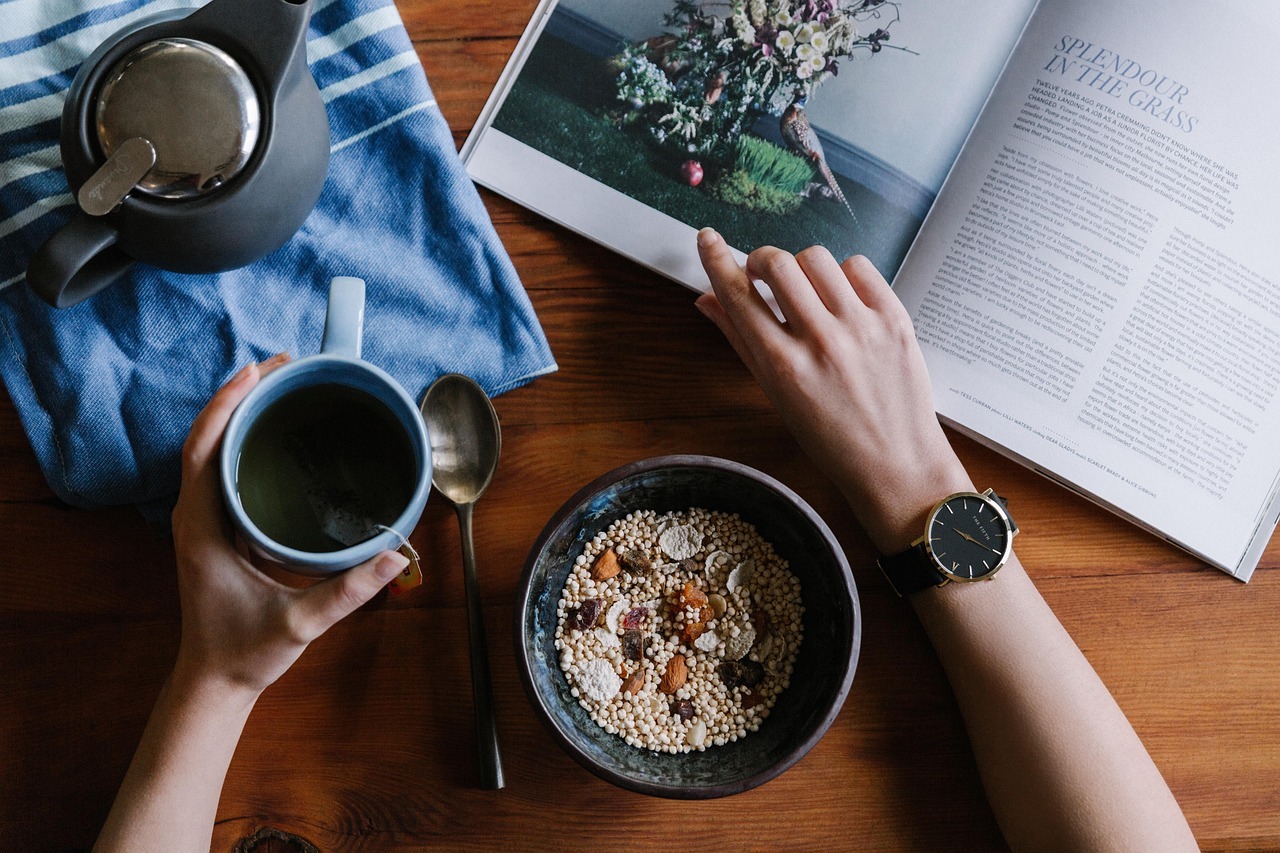
- Gluten-Free Oats: A warm morning bowl of oats or porridge is incredibly gentle and helps create soft, easy-to-pass stools.
- Root Vegetables: Peeled white potatoes, sweet potatoes, and carrots provide excellent fibre without fermenting in the gut.
- Linseeds (Flaxseeds): Adding a small spoonful of ground linseeds to your cereal or soup highly improves daily bowel regularity.
2. Lean Proteins
Proteins are an essential good food for IBS because they are very easy for the stomach to break down quickly. Unlike heavy, fatty meats, lean proteins do not trigger painful muscle spasms or contractions in the intestines. For safe, fulfilling meals, you should focus on including:
- Poultry: Plain, skinless chicken and lean turkey breast are excellent, non-irritating protein sources.
- Oily Fish: Fresh fish, especially those rich in omega-3, like salmon and mackerel, contain natural anti-inflammatory properties that help soothe the gut.
- Eggs: Eggs are highly digestible, packed with nutrients, and rarely cause trapped gas or bloating.
- Plant Proteins: Plant-based options like firm tofu and tempeh provide brilliant protein without the hard-to-digest carbohydrates found in beans.
3. Gut-Friendly Fruits
Some fruits can be the absolute best food for IBS symptom control. Eating the right fruits provides essential vitamins without stretching the stomach with trapped wind. The safest fruits for a highly sensitive digestive system include:
- Low-Sugar Berries: Blueberries and strawberries are incredibly gentle and have been shown to improve overall gut comfort.
- Kiwi Fruit: Eating two fresh kiwi fruits a day acts as a gentle, natural laxative to greatly ease stubborn constipation.
- Citrus Fruits: Oranges, lemons, and limes add safe, brilliant flavour to your water and meals.
- Unripe Bananas: Bananas that are slightly green are excellent for soothing an upset stomach and providing safe daily energy.
4. Easily Digestible Vegetables
Knowing exactly what foods to eat with IBS means picking vegetables that do not ferment or produce gas in your stomach. Cooking your vegetables thoroughly makes them much softer and even easier for a sensitive gut to process smoothly. The best vegetables for daily consumption include:
- Leafy Greens: Spinach, kale, and gentle lettuce provide brilliant nutrients without causing gas.
- Gentle Gourds: Courgettes and aubergines are highly digestible and perfect for warm stews or roasting.
- Green Beans and Cucumber: These vegetables are largely water-based and incredibly soothing for the stomach lining.
Understanding Popular IBS Diets
To gain control over unpredictable digestion, medical professionals highly recommend structured eating plans. These scientific diets help you identify exactly which foods irritate your stomach so you can avoid them with absolute confidence. It mainly includes:
- Low-FODMAP diets
- Gluten-free diets
Replace Uncertainty With Expert Medical Insight From A Specialist!
- Consult UK specialists immediately.
- On-site blood testing & imaging.
- Structured treatment plans.
What Are FODMAPs?
Let's first understand what FODMAPs are exactly before moving to its diet plan. They are specific types of fermentable carbohydrates and complex sugars found naturally in everyday meals. It stands for fermentable oligosaccharides, disaccharides, monosaccharides, and polyols. Because the human digestive tract struggles to absorb these specific sugars properly, they sit in the gut and ferment rapidly like brewing beer. This heavy fermentation process creates excess carbon dioxide and hydrogen gas, which causes the intestines to expand painfully, resulting in:
- Severe bloating
- Sharp stomach cramps
- Highly unpredictable bowel movements
a) The Low-FODMAP Diet Process
Reducing your intake of these fermentable sugars is widely considered the most effective way to calm a sensitive stomach and restore normal digestion. The low-FODMAP diet is a highly successful, temporary medical eating plan designed to help you pinpoint your exact food triggers.
- Elimination: It begins with a strict elimination phase lasting between four and six weeks, where you completely remove all highly fermentable foods from your daily meals. This break gives your highly irritated digestive system a chance to rest, heal, and reset.
- Reintroduction: Once your stomach settles and the daily pain stops, you enter the careful reintroduction phase. You slowly add individual foods back into your meals one at a time, usually over a three-day testing period. This is where you clearly see which specific foods cause your painful symptoms to return.
b) The Gluten-Free Approach
Gluten is a sticky protein found naturally in common grains like wheat, barley, and rye. Even if you do not have coeliac disease, your sensitive gut may still highly struggle to process heavy wheat products. Many patients find brilliant relief simply by swapping standard bread and pasta for gluten-free oats or quinoa. A medical professional can help you test a gluten-free diet to see if removing these tough proteins stops your daily stomach pain.
Conclusion
If you are not sure about what IBS foods to eat and avoid, do not shy away from taking expert advice. Your diet is the most important part of the condition. This guide already explains how soluble fibres and lean proteins work well. Meanwhile, dairy and caffeine products are a complete no. Understanding your personal triggers is the first step to finding real, lasting comfort.
Everyone's digestive system is totally unique, and the expert specialists at House of Health suggest diet based on exactly that. Visit the Gastroenterology Clinic in Birmingham and get the best treatment for IBS. Experience advanced testing and tailored nutritional care today!
FAQs
1. What are the best foods for IBS?
Some of the good food for IBS are options that include gluten-free oats, peeled potatoes, lean chicken, firm tofu, and low-sugar fruits such as blueberries.
2. What foods trigger IBS flare-ups?
Common triggers include high-fat fried foods, heavy dairy products, artificial sweeteners, caffeine, and gas-producing vegetables like onions, garlic, and broccoli.
3. Are eggs bad for IBS?
No. Eggs are actually highly recommended. They are an excellent, easily digestible source of lean protein that rarely triggers stomach pain or excess gas.
4. What drink calms down IBS?
Drinking plenty of plain water, gentle peppermint tea, or soothing ginger tea helps relax stomach cramps, reduce painful bloating, and keep your bowel movements perfectly regular.